
????Why Your Battery Hates the Cold: Understanding Cell Charging Temperatures ❄️

Battery Charging Temperature: Have you ever wondered why your phone battery drains faster in the winter, or why your electric car takes longer to charge in freezing conditions? It’s not just your imagination! Battery performance, especially during charging, is heavily influenced by temperature. While most battery datasheets provide a wide “working temperature range,” this often refers primarily to discharge conditions. Charging, especially at low temperatures, is a whole different ballgame.
???? The Silent Killer: Low-Temperature Charging
Charging a battery at temperatures below its recommended range (often around 0°C or 32°F for many common chemistries like Lithium-ion) can be detrimental, leading to irreversible damage and significantly reduced lifespan.
So, what exactly happens when you try to charge a cold battery?
- Lithium Plating: This is the most significant danger. When charging at low temperatures, the lithium ions don’t insert into the anode material efficiently. Instead, they deposit as metallic lithium on the anode’s surface. This “plating” is problematic for several reasons:
- Reduced Capacity: The plated lithium is no longer available for reversible electrochemical reactions, leading to a permanent loss of battery capacity.
- Increased Internal Resistance: The metallic lithium can form dendrites (tree-like structures) that increase the battery’s internal resistance, leading to more heat generation during use and further capacity loss.
- Safety Hazard: In severe cases, these lithium dendrites can puncture the separator, leading to an internal short circuit, thermal runaway, and even fire or explosion.
- Slower Ion Movement: At colder temperatures, the electrolyte becomes more viscous, and the movement of lithium ions slows down considerably. This makes it harder for the battery to accept a charge, leading to slower charging rates even if plating isn’t occurring.
- Voltage Spikes: To push current into a cold battery, the charger might need to apply a higher voltage. This can stress the battery and accelerate degradation.
???? Why Datasheets Can Be Misleading
You’ve likely noticed that many battery datasheets will list a wide “operating temperature range” like -20°C to 60°C. However, if you look closely, you’ll often find a much narrower, or sometimes even absent, range for charging at those extreme low temperatures.
This isn’t an oversight; it’s because:
- Discharge Tolerance: Batteries are generally more tolerant of discharging at lower temperatures (though capacity will be reduced). The chemical reactions involved in discharging can generate some internal heat, which helps to mitigate the cold.
- Charging Sensitivity: The process of inserting lithium ions back into the anode during charging is far more sensitive to temperature. The risks of lithium plating are simply too high at low temperatures for most standard charging protocols.
- Complexity of Recommendations: Providing precise charging current limits across a wide, low-temperature spectrum would make datasheets overly complex and might still not guarantee safety without active temperature management. Instead, manufacturers often opt for a simpler “do not charge below X temperature” or recommend significantly reduced currents.
???? The “Real” Working Temperature for Charging
So, if the wide range is for discharge, what’s the actual safe charging temperature range?
For most Lithium-ion batteries, the ideal charging temperature range is typically between 0°C (32°F) and 45°C (113°F). Charging within this “sweet spot” ensures optimal performance, longevity, and safety.
Outside this range:
- Below 0°C: Avoid charging unless the battery system has an integrated heating element or is specifically designed for sub-zero charging with advanced battery management systems (BMS).
- Above 45°C: Charging at high temperatures can also accelerate degradation, though the mechanism is different (e.g., electrolyte decomposition, loss of active material). Modern chargers usually reduce current or stop charging if the battery gets too hot.
???? How Technology is Helping
Manufacturers are well aware of the cold-charging dilemma. Here’s how they’re addressing it:
- Integrated Heaters: Many electric vehicles (EVs) and high-end portable devices now incorporate battery heating systems. These systems warm the battery to a safe temperature before allowing charging to begin, especially in cold climates.
- Smart Battery Management Systems (BMS): Advanced BMS units constantly monitor battery temperature and adjust charging currents accordingly. If the temperature is too low, the BMS will either prevent charging or significantly reduce the current to minimize the risk of damage.
- Specialized Chemistries: Some newer battery chemistries are being developed that offer better low-temperature performance, though they are not yet widespread.
???? Takeaway Tips for Battery Longevity
To maximize your battery’s lifespan and safety, especially in varying climates:
- Avoid Charging in the Cold: If your device or EV has been exposed to freezing temperatures, let it warm up indoors before attempting to charge.
- Charge at Room Temperature: Ideally, charge your devices and vehicles at typical room temperatures whenever possible.
- Don’t Overcharge or Deep Discharge: While related to temperature, maintaining a charge between 20% and 80% can also significantly extend battery life.
- Consult Your Device Manual: Always refer to the manufacturer’s specific recommendations for charging temperatures.
Understanding the nuances of cell charging temperatures is crucial for getting the most out of your batteries and ensuring their safe operation. So, next time it’s chilly outside, give your battery a break before plugging it in!


Comments are closed.
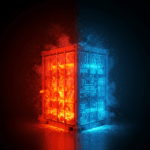


[…] But charging is different: at low temperatures, the lithium ions move more slowly and can deposit as metallic lithium on the anode surface instead of intercalating into the graphite layers. This is called lithium plating, and it’s a big problem. […]