
Your Sales Team Is the Revenue Engine of Your Business
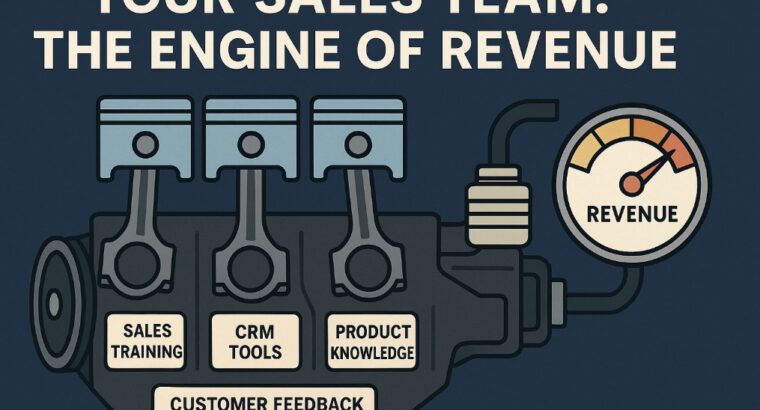
In any business—whether you’re in tech, manufacturing, retail, or services—your sales team is your front line. They are the bridge between your product and the market. Without a strong, well-equipped sales team, even the best products can sit idle on shelves or fade into obscurity.
Let’s explore why your sales team is the true engine of your revenue, how they impact your brand image, and how to ensure they perform at their full potential.
Why the Sales Team Drives Business Growth
Think of your business like a car. Your product is the engine block. Marketing is the fuel system. But it’s your sales team that actually turns the key and drives the car forward. Without them, your vehicle doesn’t move.
Here’s how your sales team powers growth:
1. They Generate Revenue Directly
This is obvious, but worth repeating. No sales = no revenue. Every phone call made, email sent, or pitch delivered by your salespeople is a chance to bring money into your business. Marketing might attract leads, but sales closes the deal.
A well-trained sales team doesn’t just talk to potential customers—they convert them.
???? According to HubSpot, top-performing sales teams close 30% more deals simply by improving their process and communication.
2. They Shape Customer Experience
Your sales reps are often the first human touchpoint in the customer journey. They don’t just sell—they educate, advise, and build trust. A positive interaction with your sales team can win over skeptical customers.
But poor communication or lack of product knowledge? That can turn leads away—and sometimes permanently.
???? 86% of buyers are willing to pay more for a better customer experience (PwC).
3. They Gather Market Intelligence
Your sales team is constantly listening to the market. They hear objections, competitor names, pricing concerns, and changing needs. This data is gold.
When communicated back to product teams, marketing, or management, this feedback can improve your offering and messaging—making your entire business smarter.
The Cost of an Untrained or Underfunded Sales Team
Let’s say you spent thousands on product R&D and digital ads—but your sales team doesn’t know how to handle objections or communicate the product’s value. That money goes to waste.
Here’s what can go wrong:
- Missed Opportunities: Poor follow-up means lost deals.
- Brand Damage: Pushy or misinformed sales reps hurt your reputation.
- High Turnover: Sales is hard. Without support, good reps quit fast.
- Lower Morale: Underpaid and undertrained teams burn out and check out.
And the worst part? You might not even know how much money you’re losing, because you’re not tracking it correctly.
How to Turn Your Sales Team Into a Revenue Powerhouse
Want a revenue-generating sales machine? Here’s what to focus on:
1. Invest in Training and Product Knowledge
Give your team regular training on:
- Product updates
- Sales techniques (like SPIN, Challenger, or Consultative selling)
- CRM tools and analytics
A confident sales rep closes more deals. Period.
???? Companies that provide ongoing training see 50% higher net sales per employee (TaskDrive).
2. Align Sales With Marketing
Sales and marketing should not be siloed. Ensure your sales reps understand what marketing is promising, and marketing understands sales challenges.
Joint meetings, shared KPIs, and feedback loops are key to success.
3. Implement the Right Tools
Equip your sales team with:
- CRM software (like HubSpot or Salesforce)
- Proposal and quote tools
- Call recording and feedback tools
- Real-time dashboards
The right tools help salespeople spend more time selling and less time on admin work.
4. Recognize and Reward Performance
Salespeople thrive on recognition and incentives. Set clear goals and celebrate wins—big or small.
Consider:
- Performance bonuses
- Sales contests
- Public recognition in team meetings
- Career pathing for top reps
Happy sales teams close more business.
Sales Is a Long-Term Investment
Revenue doesn’t come from luck—it comes from systems, support, and people. If your sales team is neglected, your whole business suffers.
But if you invest in them with training, tools, support, and recognition, you don’t just increase revenue—you build a culture of excellence that elevates your brand.
Final Thoughts
Your sales team isn’t a cost center. It’s a growth engine. The fuel you put in—training, tools, leadership, and trust—will determine how fast (and how far) your business goes.
So the next time you’re budgeting, hiring, or planning your strategy, ask yourself: Are we giving our sales team the investment they deserve?
If not, you’re not just risking lost deals—you’re risking your company’s future.

Comments are closed.





[…] Your sales team is the revenue engine of your business✅ Bad sales reps can damage your brand and lose leads✅ Product knowledge and sales skills […]
[…] month you delay an investment in your sales team, your product training, or customer support, you lose out on real sales, satisfied customers, and […]
[…] empower your sales team. Support them with the right tools, training, and resources. Because without sales support, your […]
[…] ???? Lost Revenue: Salespeople with outdated info miss opportunities. […]
[…] about people. And people need purpose, growth, and support to thrive. When you invest in your sales team, you send a clear message: “You matter. Your growth matters. Your success is our […]
[…] both departments aim for the same goal—revenue generation—their paths, timelines, and approaches are very […]